The best way to experience Moroccan heritage is not to look at it behind glass — it is to do it: sit at a loom, cook the tagine, learn the drum, sleep in the kasbah. Morocco’s living crafts and traditions are still practised in workshops and homes, and the doors open more easily than you would think. Here is how to swap sightseeing for taking part.
Learn a craft at the source
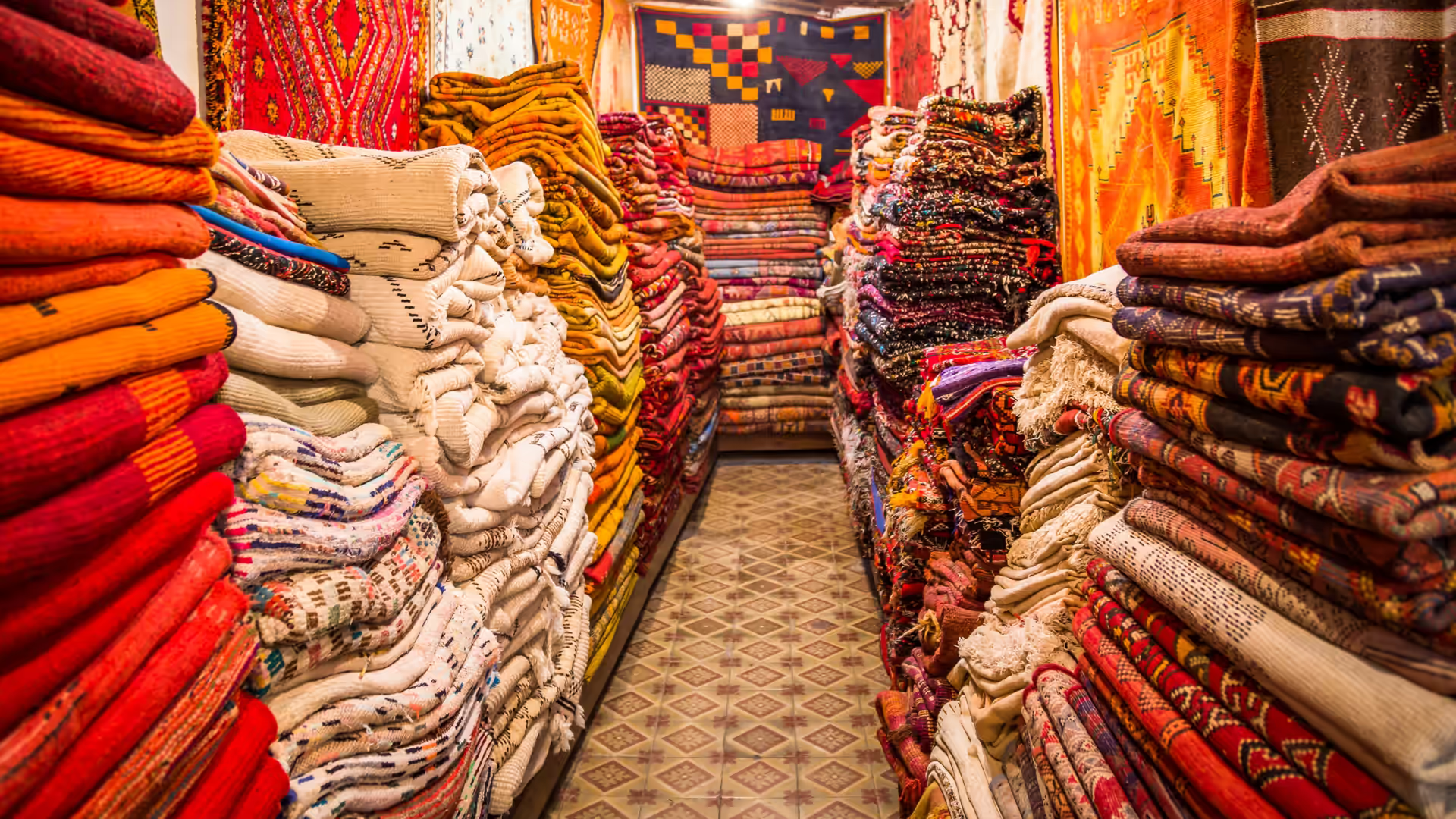
In Fes you can spend a morning in a working brass or zellij (tilework) workshop; in the Middle Atlas and the south, women’s weaving cooperatives will show you the loom and the natural dyes behind the carpets. These are not performances — they are the actual trades, and buying directly supports the maker rather than a middleman. The Amazigh weaving traditions especially reward a slow visit.
Cook the food, do not just eat it
A half-day cooking class — easy to arrange in Marrakech, Fes or a Draa Valley guesthouse — usually starts at the market, choosing produce and spices, and ends with the tagine or couscous you made for lunch. It is the single best way to understand a cuisine, and the recipes travel home with you. Pair it with the Moroccan food guide, and a market morning at the Rissani souk where a lot of that produce starts.
Sleep inside the heritage
Choose a restored riad in a medina or a kasbah guesthouse in the south and the building itself becomes the lesson — courtyards built for shade and privacy, mud-brick walls that breathe, tilework and carved cedar. Family-run places often share a meal and a story that no museum label can.
Time it with a festival
Nothing shows a living culture like its celebrations — the Gnaoua music festival in Essaouira in June, the rose harvest in the Dades in May, the date festival in Erfoud in October, or a village moussem in summer. Building a trip around one turns spectator into guest; see when they fall in Morocco month by month.
Where can you learn traditional crafts in Morocco?
Fes for brass, leather and zellij tilework; the Atlas and southern valleys for weaving cooperatives. Many workshops welcome visitors for a hands-on session, and buying directly from the maker supports the craft.
Are Moroccan cooking classes worth it?
Very — a good class starts at the market and ends with the meal you cooked, teaching you the spices and techniques behind tagine and couscous. It is one of the most rewarding half-days you can spend, and the skills come home with you.
How do you experience Moroccan culture authentically?
Do rather than watch — take a craft workshop, cook with a local, stay in a family-run riad or kasbah, and time your trip with a real festival. Engaging directly with makers and hosts beats ticking monuments off a list.
Heritage is one strand of the travel guides; the country-wide overview is the Morocco travel guide.