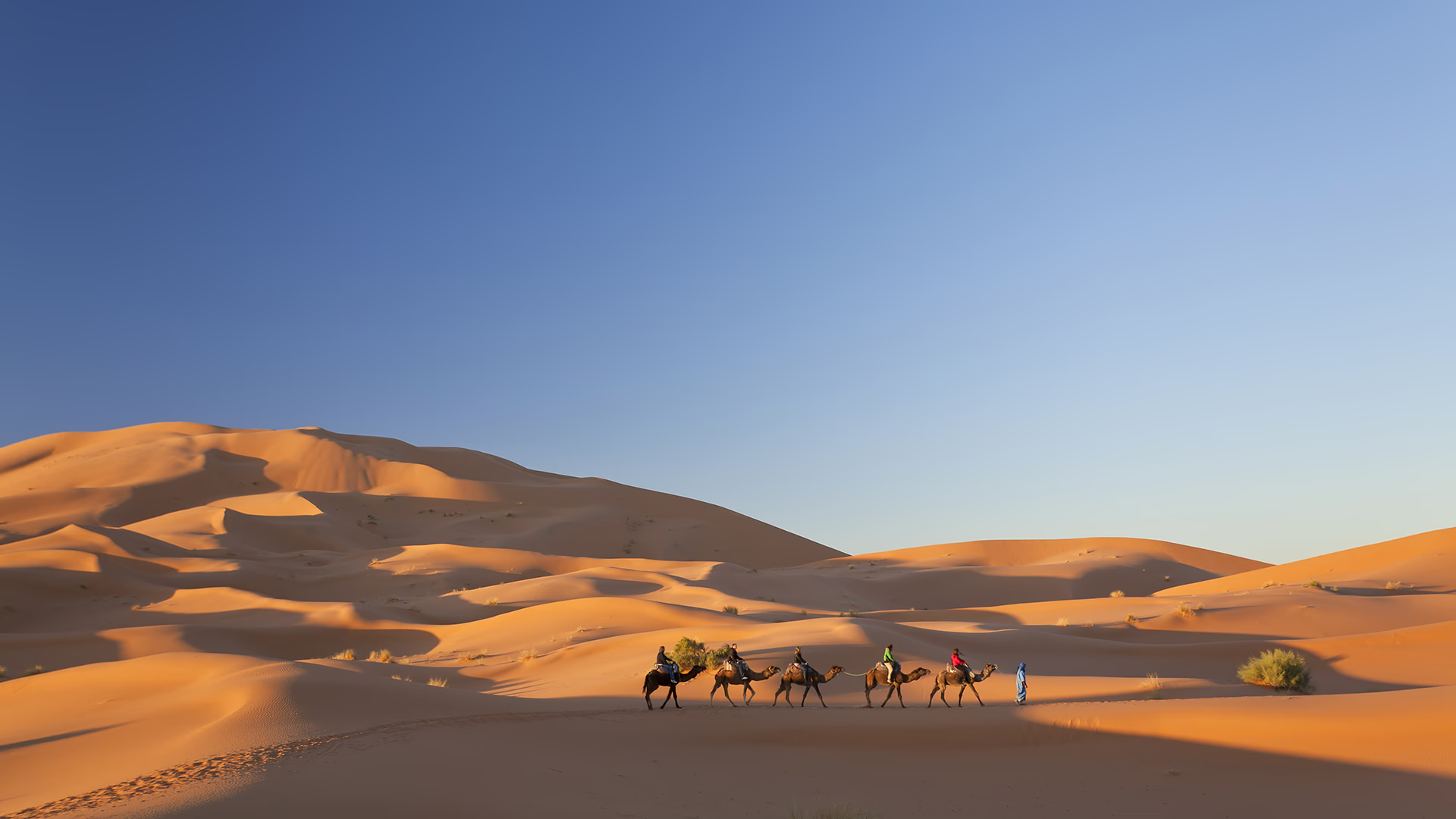
Packing for a multi-day desert trek comes down to three problems: sun by day, cold by night, and sand in everything. Solve those and you are comfortable; ignore them and you are miserable. This is the kit I actually carry for a Saharan trek — no gear-shop upselling, just what earns its place on your back or the camel’s.
On your body
- Long, loose, light layers — covering skin beats sunscreen in the desert; linen and light cotton over shorts every time.
- A cheche (long scarf) — sun, wind, sand, and warmth at night. Buy one locally and learn the wrap.
- A warm mid-layer — desert nights drop fast, near freezing in winter. Non-negotiable.
- Closed shoes plus sandals — trainers for walking, sandals for camp; sand gets into both regardless.
In the pack
- More water than you think, plus a way to carry it hands-free — dehydration is the real desert risk.
- Head torch — camp is dark once the fire dies; you will use it every night.
- High-SPF sunscreen, lip balm, sunglasses — the desert sun is relentless and reflects off the sand.
- Power bank — no sockets out there; keep the phone and camera alive.
- Wet wipes and a small towel — water is for drinking, not washing.
- A dry bag or zip-lock bags — the only thing that keeps fine sand out of your electronics.
What to leave at home
Heavy hiking boots (overkill on sand, and hot), cotton-heavy “just in case” clothes, and anything you would be upset to see scratched or dusted. The desert sands everything eventually. Keep it light — on a trek, every kilo is one the camel or your shoulders carry.
This is the trek-specific version; for the general trip, see the full what to pack for Morocco list, and the Sahara guide for how the desert nights actually feel.
What shoes are best for a desert trek?
Closed trainers or light trail shoes you can empty easily, plus sandals for camp. Heavy hiking boots are overkill on sand and run hot — leave them at home unless your route includes rocky ground.
Do you need warm clothes for a Sahara trek?
Yes — desert nights cool sharply and can approach freezing in winter. A warm mid-layer, a hat and the ever-useful scarf make the difference between a magical night and a cold, sleepless one.
How much water should you carry on a desert trek?
More than feels necessary — dehydration is the genuine desert danger. Guided treks resupply, but always carry your own hands-free supply between stops and drink steadily rather than waiting until you are thirsty.
Shooting while you walk? The light-and-timing side is in the Sahara photography guide.
The rest of the themed guides live in the travel guides index.