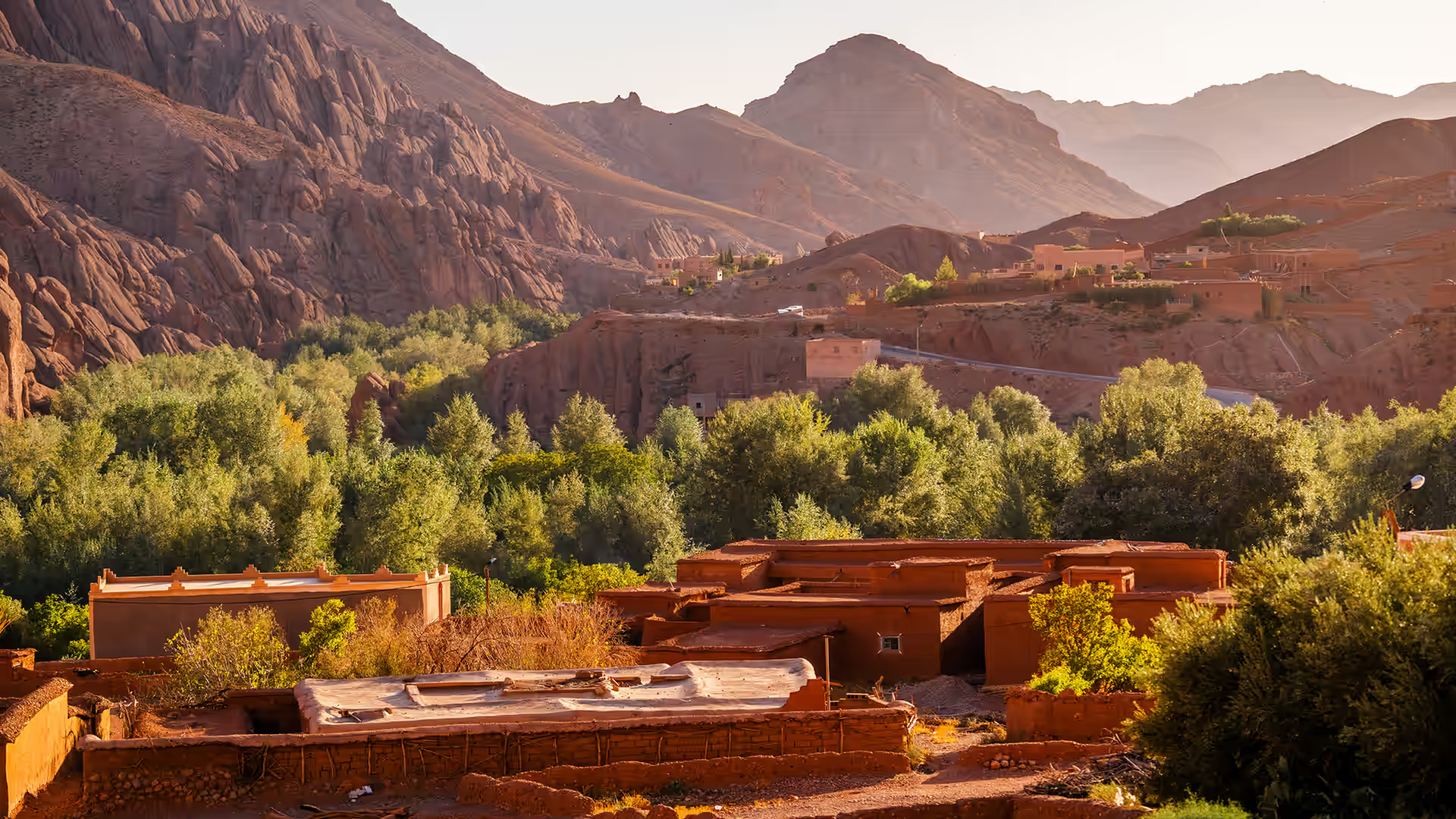
March to May and September to November are the best time to visit Morocco overall — warm cities, open mountain passes, bearable desert. But the country runs on two clocks: the Atlas is best in late spring, the Sahara in winter. Pick your months by the region you care about most.
| Months | Cities | High Atlas | Sahara |
|---|---|---|---|
| Mar–May | Ideal (18–28°C) | Green valleys; snow melting on passes | Warm days, mild nights — excellent |
| Jun–Aug | Hot (35°C+ inland) | Prime trekking season | 40–45°C — avoid |
| Sep–Nov | Ideal again | Clear, stable | Excellent |
| Dec–Feb | Sunny days, cold nights | Snow — passes can close | Perfect days; nights near 0°C |
When is the best time for the Sahara?
October to April. Daytime sits between 20–30°C with clean light for the dunes; the price is winter nights that flirt with freezing — camps stack blankets, you bring the fleece. Midsummer is the one honest no: 40–45°C at Erg Chebbi with camps running skeleton service. Full desert planning lives in the Sahara guide.
When is the best time for the Atlas mountains?
Late April to October for trekking — June to September for the high summits, when the snow has fully released the passes. Spring is the beauty window: melting snow above, blossoming valleys below. Winter turns the range into a proper alpine environment; Tizi n’Tichka (the desert road) occasionally closes for hours after storms.
What about Ramadan?
The country runs at a gentler rhythm: many restaurants close until sunset, transport thins around iftar, and evenings turn festive. It is a fascinating time to travel — just plan lunches (tourist restaurants stay open) and be discreet eating in public. Dates shift ~11 days earlier each year; check the current calendar before booking.
The month-by-month shortcut
- Best all-round month: October — everything works, crowds thinning.
- Best for the desert: November or March — warm days, survivable nights.
- Best for trekking: June–September high routes, April–May valleys.
- Cheapest: January (outside holidays) — cold nights, empty medinas, low prices.
Want the detail for a specific month? See Morocco month by month for weather, crowds and what to do in each one.
Is summer a bad time to visit Morocco?
For the desert, yes — skip it. For the coast (Essaouira, Taghazout) summer is prime, and the Atlas is at its best for trekking. Inland cities are hot but liveable with a riad pool and siesta logic.
Does it rain in Morocco?
November to March brings the rain that exists, mostly in the north and along the coast. The south and the desert see very little. Rain rarely wrecks plans — snow on the Tichka pass is the likelier winter disruption.
When is Morocco most crowded?
Easter week, July–August (European holidays despite the heat), and the Christmas–New Year window — desert camps book out weeks ahead for New Year’s Eve. Shoulder months breathe easier.
Can you swim in Morocco in winter?
The Atlantic runs 16–18°C in winter — surfers in wetsuits say yes, swimmers say briefly. For warm-water swimming, Morocco is a May–October story.
Timing is one piece of it; the other planning questions are answered in the Plan Your Trip hub.
Picked your month? Match it to a route.
Morocco itineraries